When Time Becomes the Winemaker: Rethinking Lees Ageing in Premium Cava

In the world of traditional method sparkling wines, time is often presented as a virtue. But time, on its own, does nothing.
What truly defines greatness is how that time is managed.
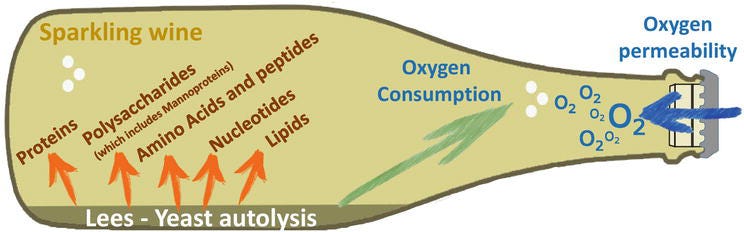
A recent study led by Fernando Zamora sheds new light on one of the most critical processes in sparkling wine: yeast autolysis during lees ageing. The conclusions are as fascinating as they are challenging, especially for those of us working with long ageing wines.
The peak of autolysis: where magic happens
Between the second and third year of ageing, lees are at their most active stage.
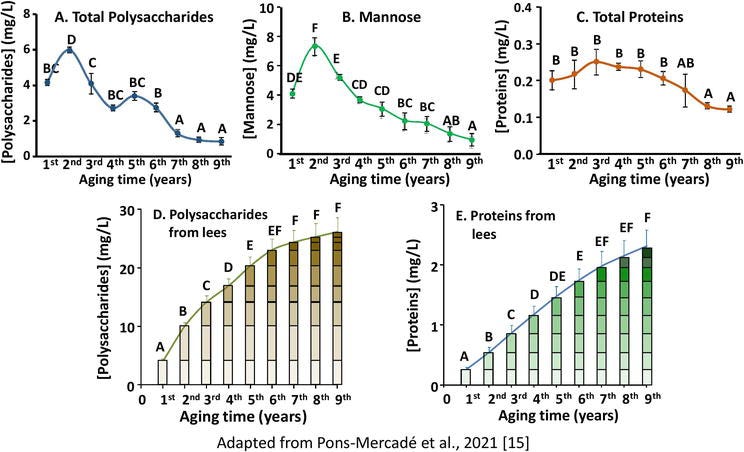
They release polysaccharides and proteins that fundamentally transform the wine:
• Finer, more integrated bubbles
• Increased foam stability
• Greater texture and creaminess on the palate
• Enhanced aromatic complexity
At the same time, lees play a crucial protective role by consuming oxygen, acting as a natural antioxidant system that preserves freshness and precision.
This is the moment where great sparkling wines begin to define their identity.
The critical turning point: after 3 years
However, the study also highlights something that many prefer to ignore.
After approximately three and a half years, the ability of lees to consume oxygen drops significantly. From this point onwards, oxygen ingress through the closure can exceed the protective capacity of the lees.
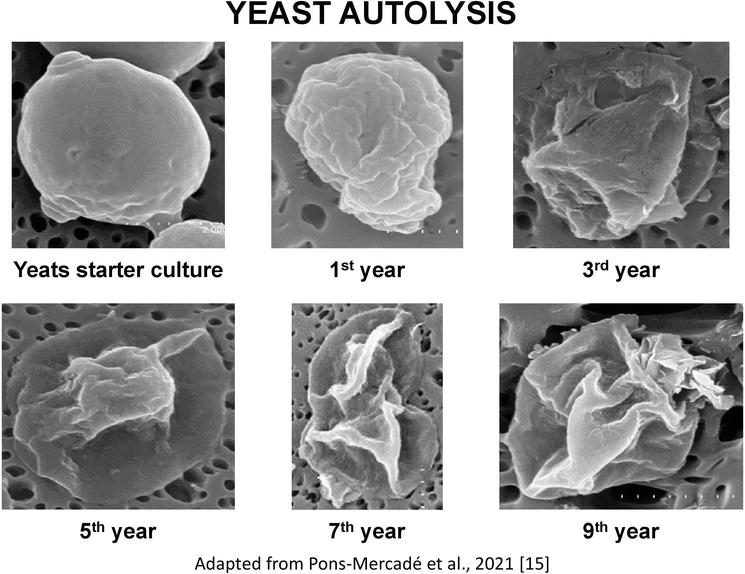
This changes everything.
The wine enters a far more delicate phase where oxidation risk increases and where precision in winemaking becomes essential. Sensory degradation can start to appear from around the fifth year if the wine has not been built for longevity from the very beginning.
So the real question is not how long you age your sparkling wine.
The real question is: are you truly in control of that ageing?
Beyond the limits: a philosophy, not a technique
At Cava Jaume Giró i Giró, we have always believed that long lees ageing is not about pushing time to the extreme, but about understanding it.
Working beyond three years on lees is not a standard decision. It requires:
• Exceptional vineyard quality
• Perfect balance in the base wine
• Precision during tirage and second fermentation
• Absolute control of oxygen throughout the entire process
Only under these conditions can time become an ally instead of a risk.
10+ years on lees… without oxidation
This is where our work truly differentiates itself.
We produce cavas aged over ten years on lees, maintaining:
• Remarkable freshness
• Ultra-fine, elegant mousse
• Complex yet precise aromatic profiles
• No oxidative deviation, only noble evolution
Notes of fine pastry, dried fruits and subtle tertiary nuances appear, but always supported by tension, salinity and balance.
Because long ageing should never mean heaviness.
It should mean depth with precision.
Final reflection
Science tells us that autolysis has its peak and its limits.
But great wines are born when knowledge meets intuition.
Lees ageing is not just a stage of production. It is a dialogue between wine and time. And only those who truly understand both can go beyond the expected without losing purity.
Because in the end, the finest sparkling wines are not defined by how long they age.
They are defined by how well they resist time.